



Beat the Weeds? Stop the Seeds
The key to getting the upper hand on weeds is stopping the seeds from sprouting. Here's how.
The Problem: Common weeds like dandelions, marestail, thistles, and hairy bittercress spread by wind using aerodynamic plumes, lightweight seeds, or explosive ejection.
The Solution: Gardeners can control wind-borne weeds by using physical barriers (fences/hedges), planting dense ground covers, and applying pre-emergent preventers like Preen to stop airborne seeds from ever germinating.
Most weeds spread by seeds, and for some the wind is their primary highway. Some weeds possess literally winged seeds, while others have evolved brilliant adaptations specifically designed by nature to help them travel as far and wide as possible.
The poster child for wind-spread weeds is the dandelion—one of Earth’s most common weeds, thanks to the familiar white “puffballs” children love to blow. But dandelions aren't the only invaders utilizing aerial travel; many other common yard weeds use unique hacks to ride the breeze.
Weeds take advantage of the wind in four distinct ways to infiltrate your lawn and landscape:
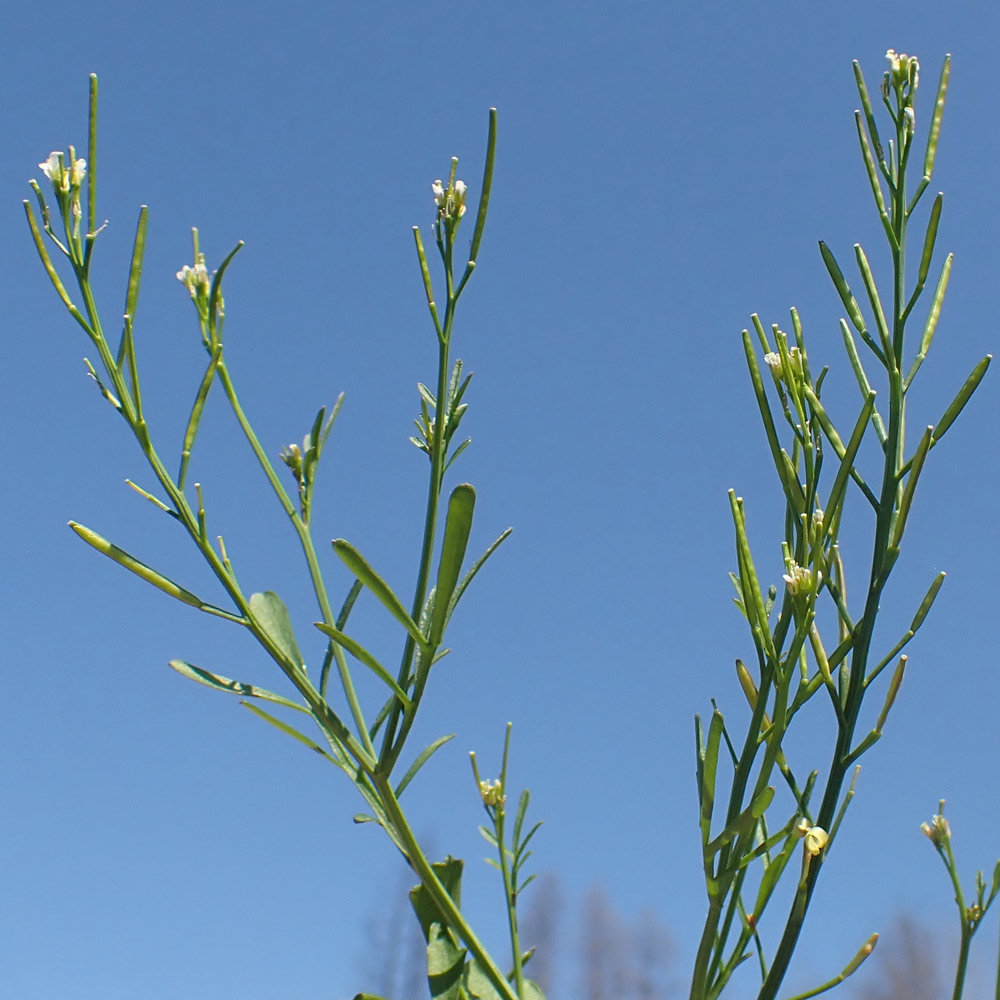
These hairy bittercress flower develop into long seedpods that will eject the tiny mature seeds inside. Credit: iNaturalist
Some of the most aggressive wind-dispersers time their seeds to mature exactly when the weather is dry and windy. This is why a massive influx of weed seeds occurs from late summer into early fall.
Seeds that are small and light travel significantly farther than heavy seeds. This weight advantage explains why these common weeds are some of the world’s most successful invaders:
Some weeds don't just rely on a breeze—they give their seeds a physical launch.
The most effective wind-travelers grow specialized structures that help seeds stay afloat for immense distances. Marestail's lightweight plumes have been documented to travel up to 300 miles away.
Wind-Grabbing Mechanism |
Weed Examples |
How It Works |
| Puffballs, Plumes & Hairs | Dandelions, Thistles, Marestail (Horseweed), Groundsel, Sowthistle | Fluffy tufts act as tiny parachutes to keep seeds aloft in light breezes. |
| Gliders & Wings | Maple "helicopters", Plantain, Curly Dock, Prickly Lettuce | Use aerodynamic shapes to ride wind currents far from the parent plant. |
| Tumble Mechanisms | Tumbleweed (Russian Thistle), Kochia, Pigweed, Tumble Mustard | Entire rounded plant structures break off and roll across open ground, scattering seeds as they go. |
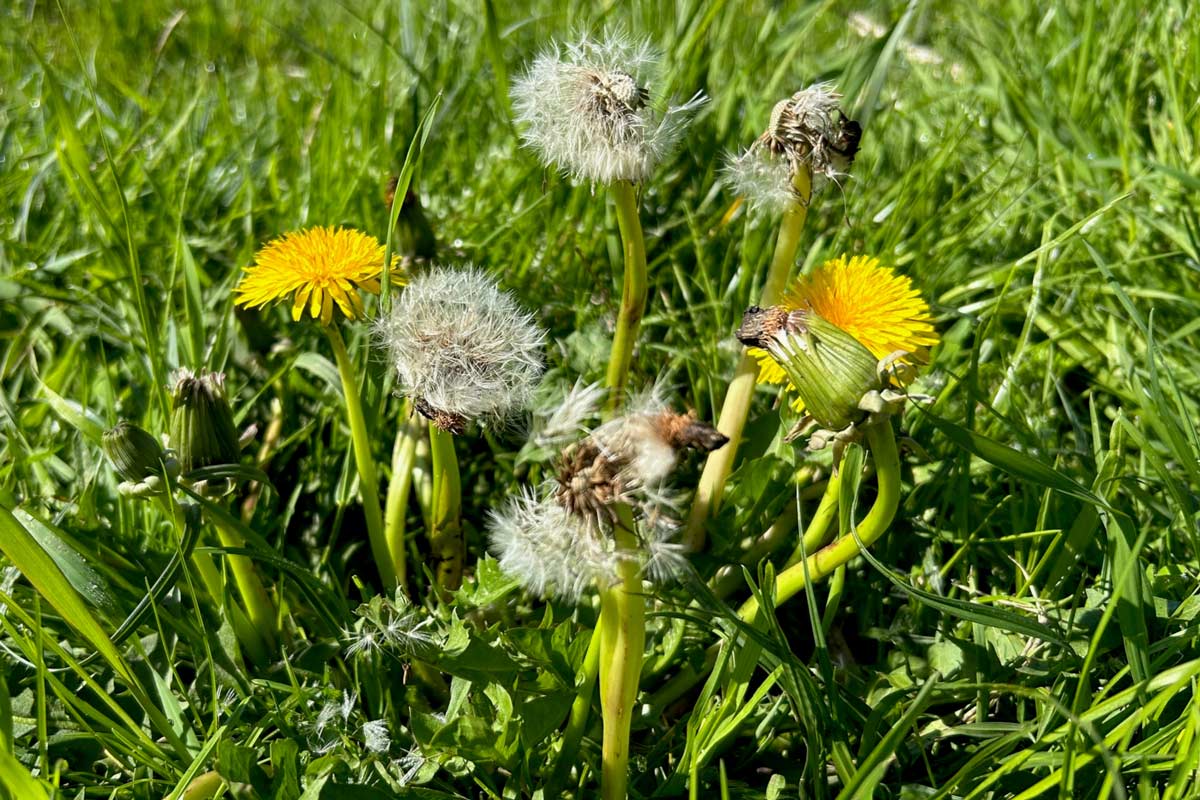
Dandelions are the poster child of wind-blown weed seeds. Credit: George Weigel
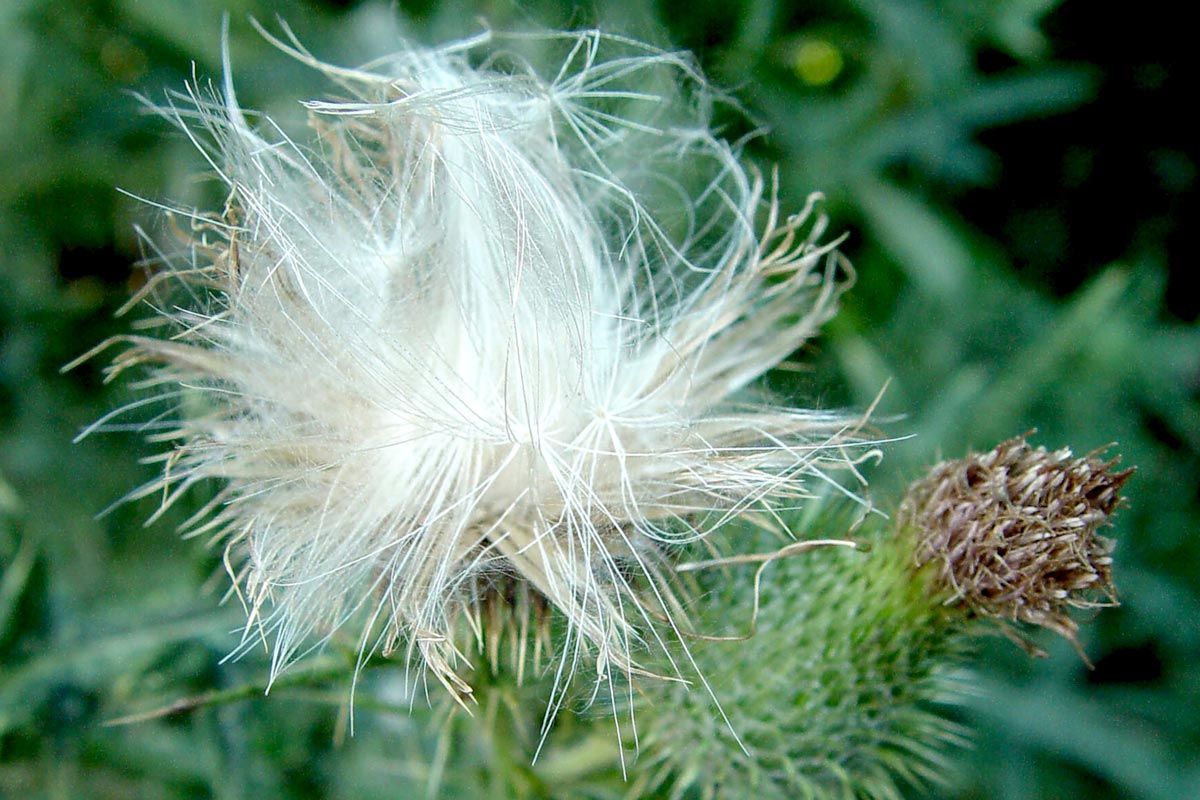
Canada thistle seeds can survive more than two decades dormant in soil and still sprout. Credit: George Weigel
The ability to travel by air gives these species a massive advantage over weeds that rely on ground runners, rhizomes, or animal transport.
Compounding the problem, many of these species are incredibly prolific. A single marestail plant can produce 200,000 seeds per year, while pigweed and Canada thistle seeds can remain dormant but viable in your soil for over two decades.
While you can't stop the wind, you can protect your property using these three strategic defenses:
You can reduce the volume of airborne seeds landing in your garden by establishing physical barriers. Installing solid walls, fences, dense hedges, or thick border screen plantings can act as "seed traps" to block incoming wind-blown debris.
If you can't stop seeds from landing, you can stop them from germinating. Keep bare soil covered by mulching deeply and planting native plants densely so weeds have no room to anchor.
To maximize your defense, use a targeted weed preventer to stop seeds from sprouting:
For Landscape and Garden Beds: Apply Preen Extended Control Weed Preventer twice a year (once in early spring and once in late summer). It provides season-long protection against 130 different weed varieties.
For the Lawn: GreenView Premium Formula Spring Fertilizer Weed & Feed and Crabgrass Preventer, is a multi-action formula that fertilizes your turf, kills more than 250 broadleaf lawn weeds, and prevents crabgrass from taking root.
Regularly scout your landscape for early signs of new growth. Newly sprouted weeds are shallow-rooted and incredibly easy to pull or spot-treat.
Above all, live by the ultimate gardening adage: "Never let a weed go to seed." You might not be able to stop a dandelion parachute from drifting over from a neighbor's yard, but you can prevent a self-inflicted infestation by clearing your own weeds before they can multiply.
Want to learn more about breaking the weed lifecycle? Read our guide on Why You Should Never Let a Weed Go to Seed.