
Straw Bale Gardening
Using a straw bale as a plant container is a great option if you have poor soil or limited space and the raised height can eliminate the heavy work of digging and turning the soil to plant.
Kale, Basil, Tomatoes, Eggplant, and a Space-Saving Peach
Vegetable gardeners have some interesting new choices as the 2026 season unfolds.
Winter is a great time to order seeds, build a planting plan, and watch for new varieties that will start arriving as seedlings in garden centers in spring.
From an award-winning kale that looks as good in the landscape as it tastes on the plate, to compact tomatoes made for containers, to a columnar peach that fits small yards, these are some of the most intriguing new edible introductions debuting in 2026.
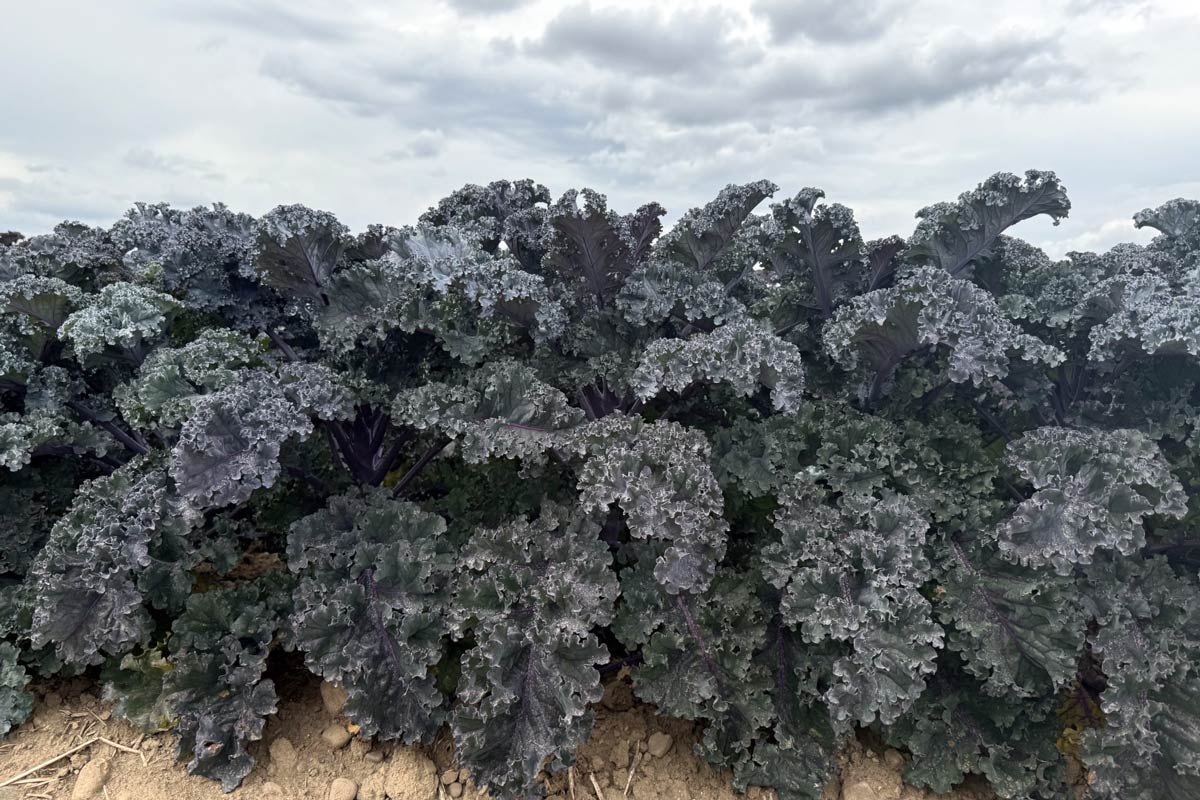
Rubybor kale scored well enough in national trials to earn a rare All-America Selections Gold Medal. Credit: All-America Selections
If you love vegetables that pull double duty as ornamentals, kale 'Rubybor' is one of the biggest new standouts for 2026.
This purple-leaf kale is the first plant in nearly 100 years of All-America Selections (AAS) trials to win a national award as both an edible and an ornamental. Judges called it a “showstopper” and praised its strong performance in the garden and the kitchen.
Why gardeners will love it:
That performance earned 'Rubybor' a rare AAS Gold Medal, reserved for the best of the best AAS winners.
Growing notes:
Plants reach about 3 feet tall, grow in full sun to part shade, and work well in beds or containers.
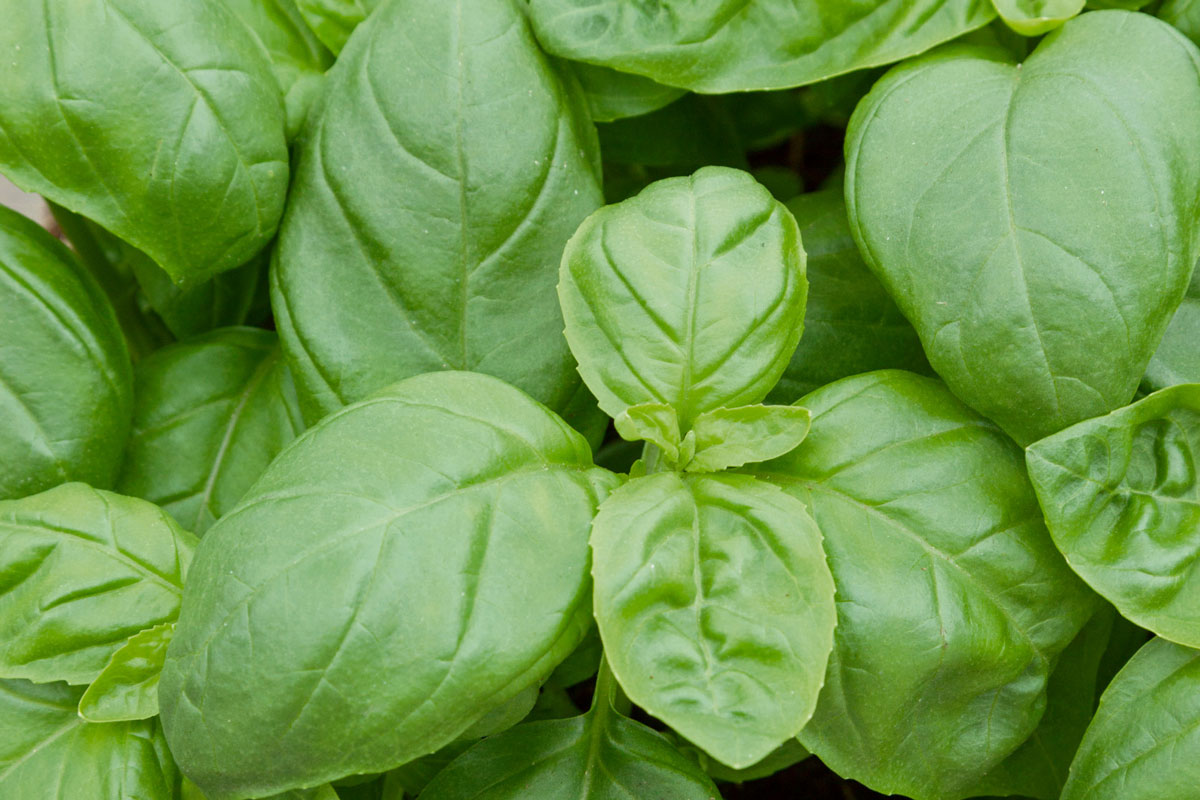
Basil Treviso earned a 2026 All-America Selections award for its compact habit, mildew-resistance, and heat tolerance. Credit: All-America Selections
Basil 'Treviso' performed well enough across 80 U.S. trial sites to earn a 2026 AAS award.
Judges highlighted its compact size, resilience, and long harvest window—especially valuable in warm climates where basil can bolt quickly.
Key strengths:
One AAS judge also noted it seemed less attractive to Japanese beetles than other trial varieties.
Harvest timing:
Ready about 60 days after transplanting or 90 days after direct seeding.
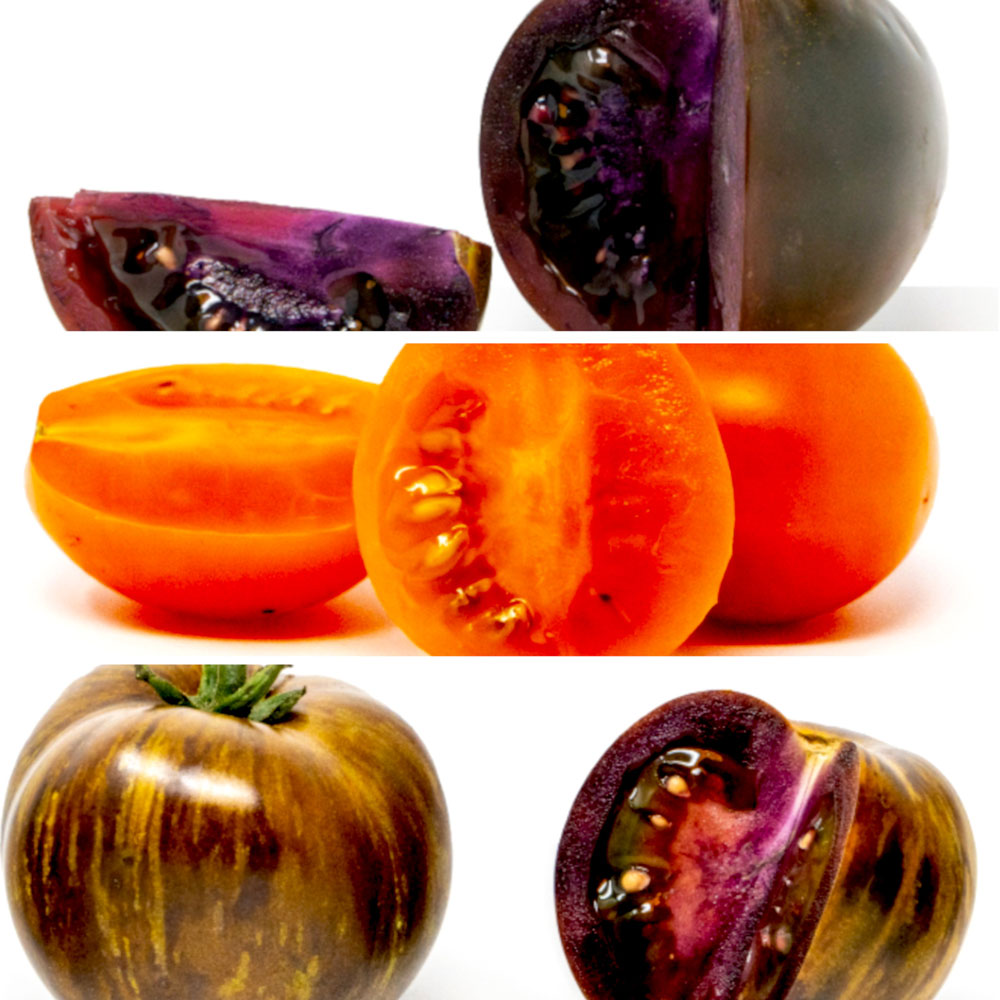
Healthy Produce is introducing three new varieties of its enhanced-nutrition, bioengineered tomatoes: Dark Hollow, top, The Beta, middle, and The Eleven, bottom. Credit: Norfolk Healthy Produce
In 2023, California’s Norfolk Healthy Produce debuted The Purple Tomato, the first bioengineered vegetable crop marketed directly to home gardeners. That cherry tomato was engineered for deep purple color and high antioxidant content using genes from purple snapdragon.
For 2026, Norfolk is releasing three new bioengineered tomato varieties—each designed for striking color and elevated nutrition.
Tomato 'Dark Hollow'
A slightly larger purple “cocktail” tomato with a flavor the company describes as a savory umami profile.
Tomato 'The Beta'
A bright orange cherry tomato engineered for high beta-carotene content.
Tomato 'The Eleven'
A cocktail tomato that’s yellow-and-hazel-striped on the outside and purple inside. It’s engineered for high anthocyanin content.
Growing notes:
All are indeterminate tomatoes, producing continuously until frost. They begin producing mature fruit about 60 days after planting.
Availability:
Seeds are sold only through the Norfolk Healthy Produce website.
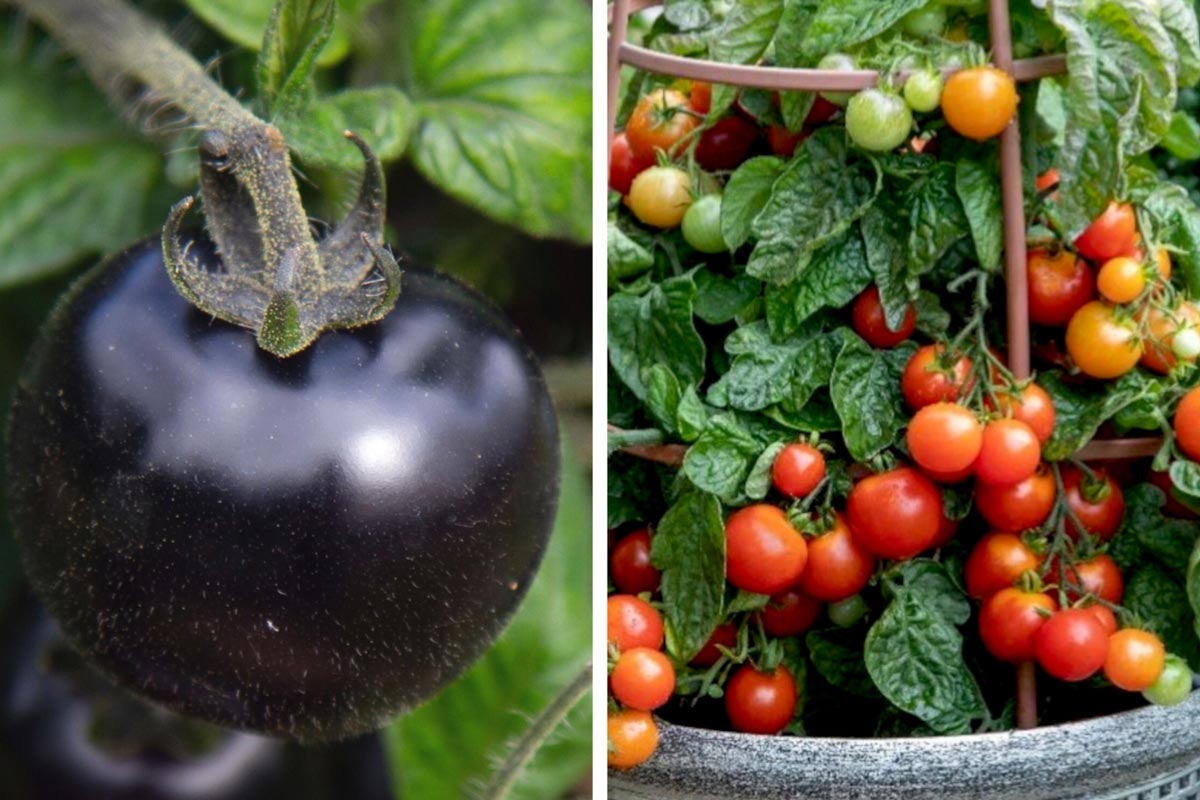
Akoya, left, and Partyball, right, are two new tomato varieties that grow in very compact, bushy habits, making them good candidates for container growing. Credit: Syngenta Flowers
Two ultra-compact tomato varieties from Syngenta Flowers—designed for patio and container growing—were impressive enough to earn Garden Center Group Retailer’s Choice Awards at Cultivate ’25 in Columbus, Ohio.
Judges liked both for their heavy yields of cherry or cocktail fruit on plants that stay exceptionally small.
Tomato 'Partyball'
Tomato 'Akoya'
Both varieties have good disease resistance and are determinate tomatoes, meaning they produce most of their fruit in a concentrated harvest window.
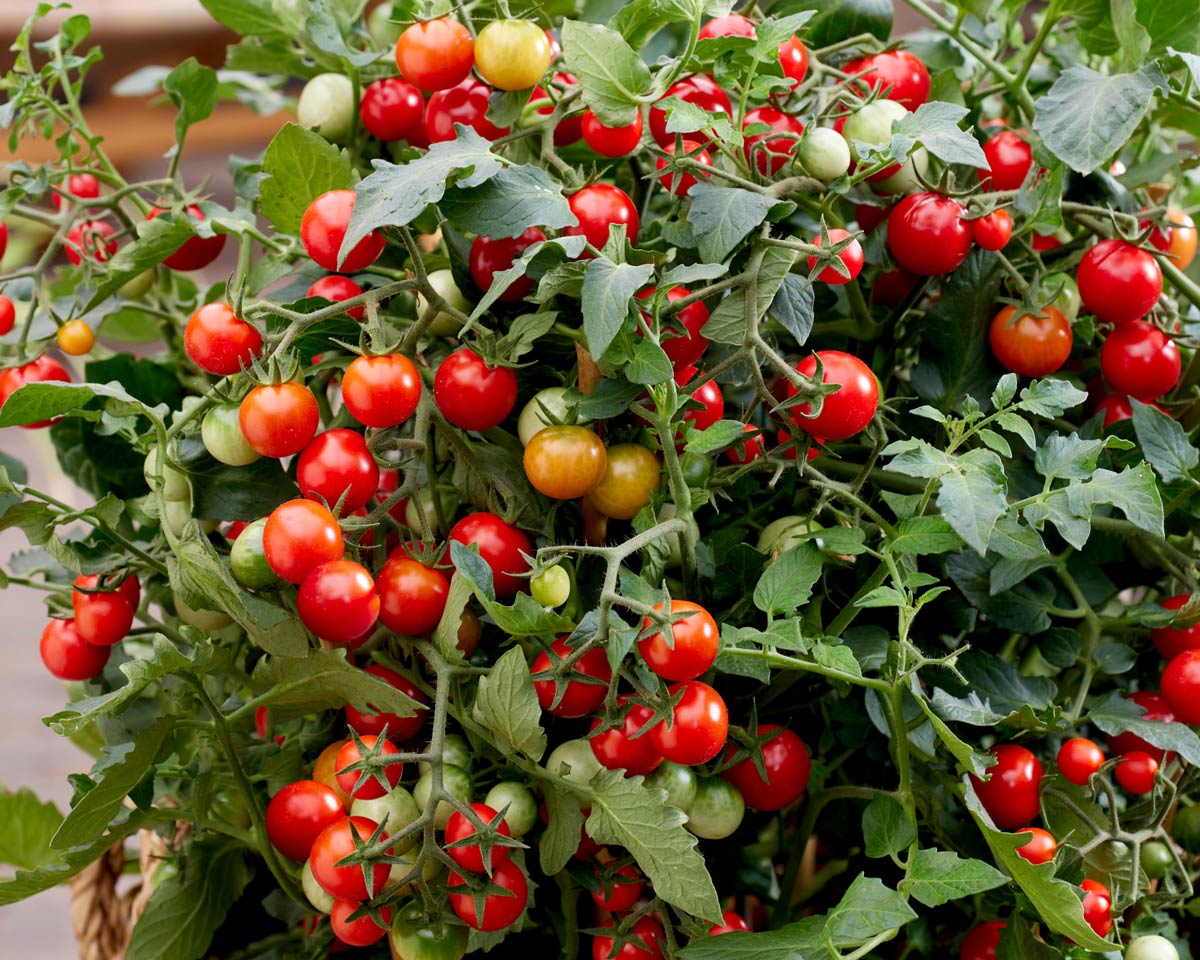
Sugar Basket Red is new cherry tomato that also has a compact habit and produces bright-red, sweet fruits. Credit: Burpee Home Gardens
Another 2026 tomato built for small-space gardeners is 'Sugar Basket Red', being rolled out in the Burpee Home Gardens line.
Burpee Home Gardens' Tiffany Heater calls it her favorite new edible of 2026, especially for gardeners growing in hanging baskets, window boxes, or compact patio containers.
Why it's a great choice:
Home fruit growing continues to gain popularity—and that trend overlaps with another reality: many gardeners have less space than they used to.
That’s why the new columnar peach 'Sweet Sensation' is such an interesting 2026 introduction. It grows 10–12 feet tall but only 4–5 feet wide, making it easier to fit into smaller yards.
Monrovia Nursery’s chief marketing officer Katie Tamony selected it as her favorite new edible introduction of 2026.
Highlights:
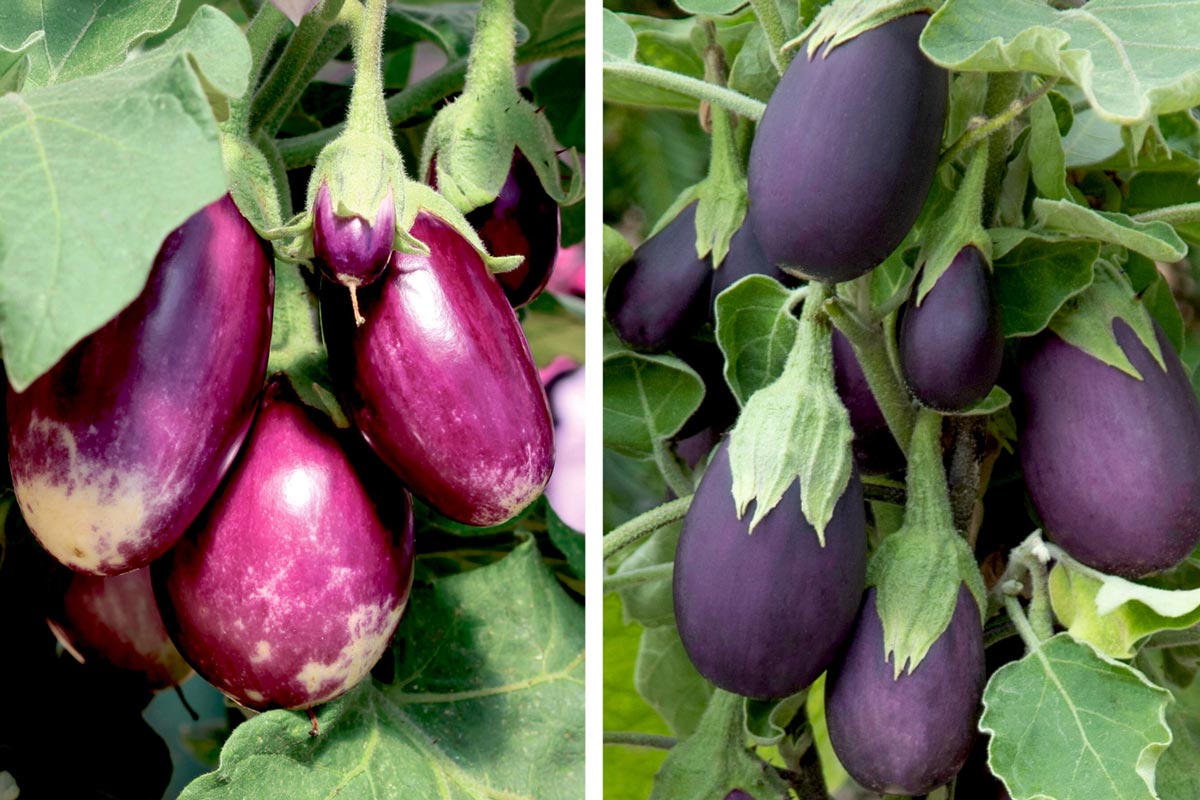
‘Amethyst,’ left, produces multiple fruits of magenta/purple, while ‘Baby Jack,’ right, produces a heavy yield of dusky-purple eggplants. Credit: Syngenta Flowers
Eggplant growers who like smaller fruits—or want varieties that fit into compact garden beds—will want to watch for two new introductions in 2026.
Both performed well in independent trials and mature fruit about 60 days after transplanting.
Eggplant 'Amethyst'
Eggplant 'Baby Jack'